


Stoke was designed as a social trip-planning platform that allowed users to discover, organize, and share travel recommendations and itineraries effortlessly. The goal was to create a collaborative travel experience, where users could get personalized suggestions from friends, locals, or curated sources and seamlessly plan their trips.
The platform aimed to:
Make travel planning more social by enabling users to share itineraries and recommendations with friends.
Streamline trip organization by offering a centralized hub for activities, reservations, and recommendations.
Enhance personalization through curated travel suggestions based on user preferences and past experiences.
Stoke was envisioned as a modern, user-friendly alternative to traditional travel planners, focusing on community-driven exploration and effortless itinerary management.
My Role
As a UX Designer on Stoke, I played a key role in shaping the user experience, product vision, and early prototype development. Collaborating with two business strategists and another UX designer, we aimed to create a social trip-planning platform that streamlined the way people discover, organize, and share travel recommendations.
My contributions included:
User Research & Discovery – Conducted competitive analysis and user interviews to understand how travelers plan trips and what pain points exist in current solutions.
Wireframing & Prototyping – Designed low- and high-fidelity prototypes that brought Stoke’s concept to life.
Iterative Testing & Feedback Loops – Used our prototype to gather user insights, refine interaction flows, and improve the overall trip-planning experience.
Feature Ideation & UX Strategy – Worked with business strategists to define core features, balancing user needs with business goals.
By focusing on collaboration, usability, and feedback-driven iteration, I helped lay the foundational UX and product direction for Stoke, creating a prototype that could validate the concept with real users and guide future development.
Project Process
The design process for Stoke was built around collaboration, rapid iteration, and user-driven validation. Since our goal was to test and refine the concept early, we followed an iterative, data-driven approach where both UX designers on the project independently designed versions of the platform, tested them with users, and consolidated the best elements based on feedback.
Step 1: Parallel Design Exploration
To encourage diverse design thinking and innovation, both UX designers (myself and another teammate) created separate design approaches for Stoke’s core features.
Each of us independently explored layouts, navigation structures, and interaction patterns based on initial user research.
We focused on different strengths, with one design emphasizing simplicity and speed, while the other prioritized customization and social interaction.
The goal was to compare different usability solutions before settling on a final direction.
Step 2: User Testing & Feedback Collection
After creating two distinct design prototypes, we tested them with real users to gather insights on usability, engagement, and preferences.
We conducted one-on-one user interviews and usability tests, focusing on how users planned trips, navigated recommendations, and interacted with itinerary features.
Users provided direct feedback on pain points, preferences, and what aspects of each design worked best.
We collected quantitative and qualitative data to compare user behavior between both versions.
Step 3: Consolidating the Best Features
With data from user testing, we analyzed patterns and consolidated the strongest aspects of both designs:
Kept the most intuitive layouts and workflows, ensuring users could easily organize and access trip plans.
Refined navigation and interactions based on which flow led to the most seamless experience.
Eliminated friction points by iterating on features that users struggled with in both designs.
Step 4: High-Fidelity Prototype & Validation
Once we had a merged, optimized design, we created a high-fidelity prototype and tested it again to ensure improvements addressed user concerns.
The final iteration balanced social engagement with trip organization, making Stoke feel effortless yet customizable.
The prototype was refined for visual clarity, accessibility, and feature prioritization, ensuring it met both user expectations and business objectives.
Key Features
The Stoke MVP was designed as a lightweight, functional prototype that validated the core social trip-planning experience. By focusing on essential features, we were able to test the platform’s viability with real users and gather critical insights for future development.
Core Features of the MVP
The MVP was structured around three primary user needs: discovering activities, organizing itineraries, and sharing recommendations. The initial feature set included:
1️⃣ Trip Creation & Organization
Users could create a trip itinerary, add destinations, and organize activities by day.
Designed an intuitive drag-and-drop system to reorder plans seamlessly.
Implemented categorization (food, activities, sightseeing, etc.) for easier organization.
2️⃣ Social Recommendations & Collaboration
Allowed users to receive and share travel activity recommendations from friends.
Designed an interactive suggestions board, where users could vote on activities.
Built a comments & discussion feature to enable real-time trip planning.
3️⃣ Simplified, Mobile-First Experience
Optimized the MVP for mobile use, focusing on fast, lightweight interactions.
Created a clean, easy-to-use interface that could be tested with minimal user training.
Validating the MVP Through User Testing
With the MVP in place, we conducted user testing to assess usability, engagement, and feature effectiveness.
Users successfully planned sample trips, proving the platform’s core functionality was intuitive.
The social recommendation feature was highly rated, showing demand for community-driven travel planning.
Feedback indicated that collaborative planning tools helped reduce trip-planning friction, validating the need for a shared itinerary experience.
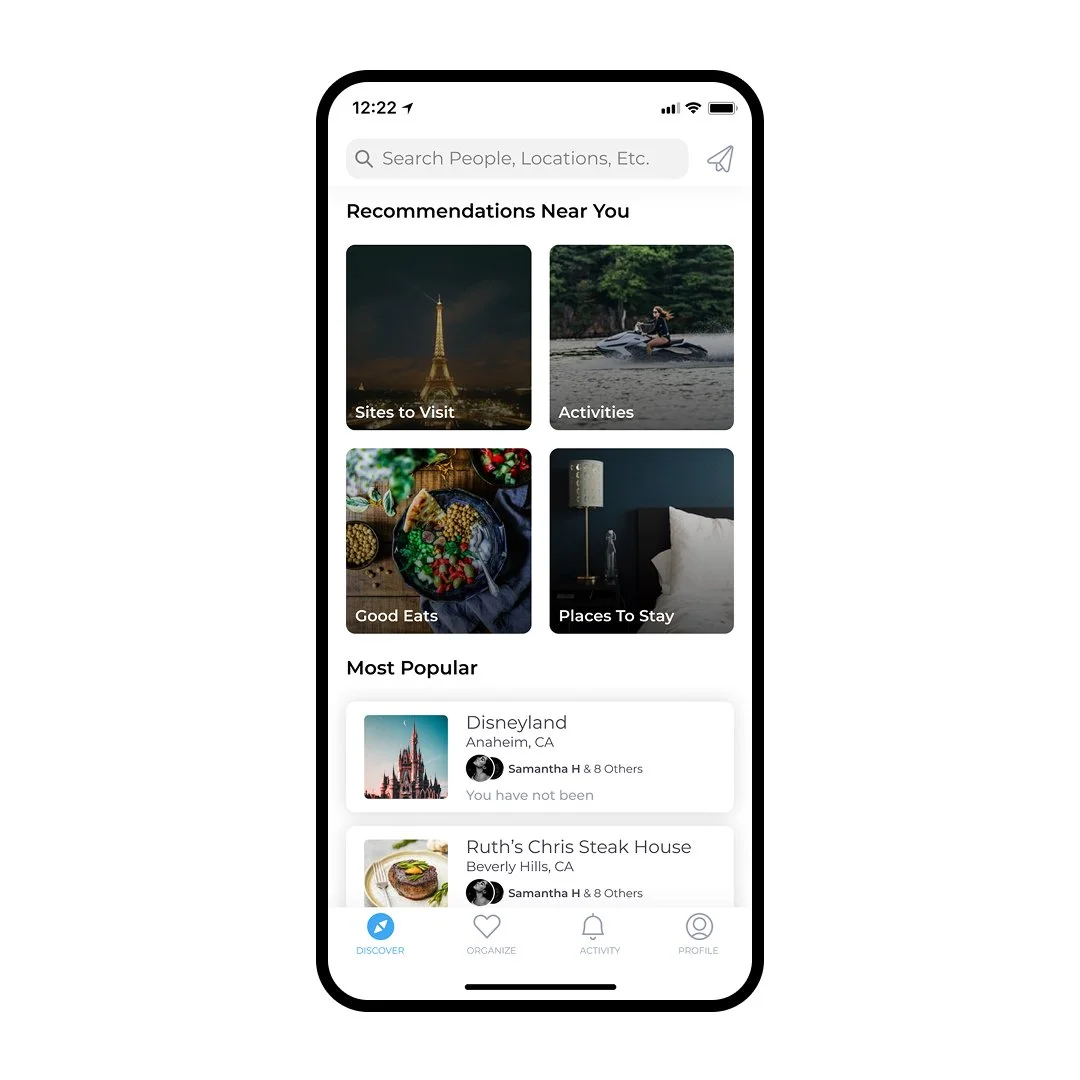
Discover
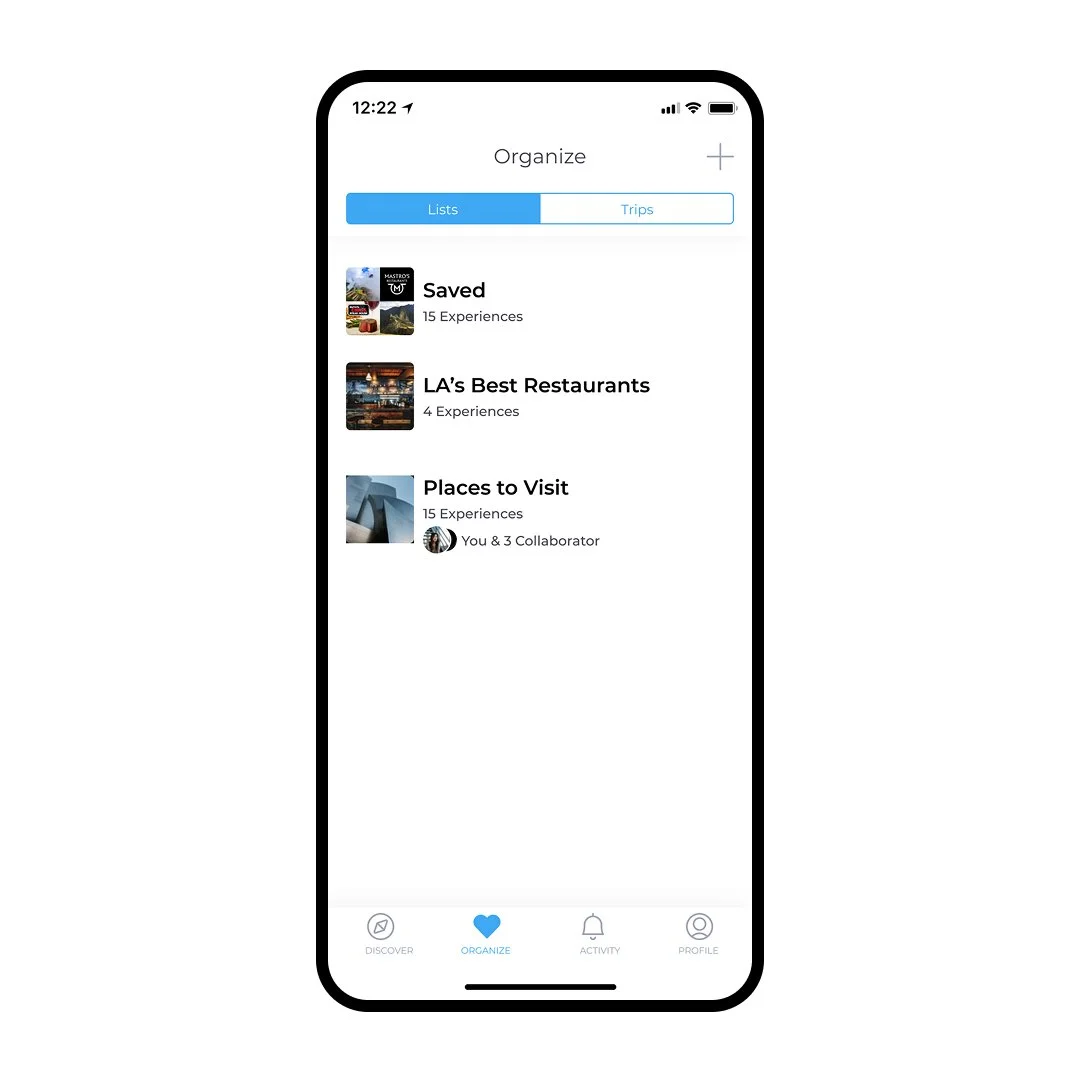
Organize
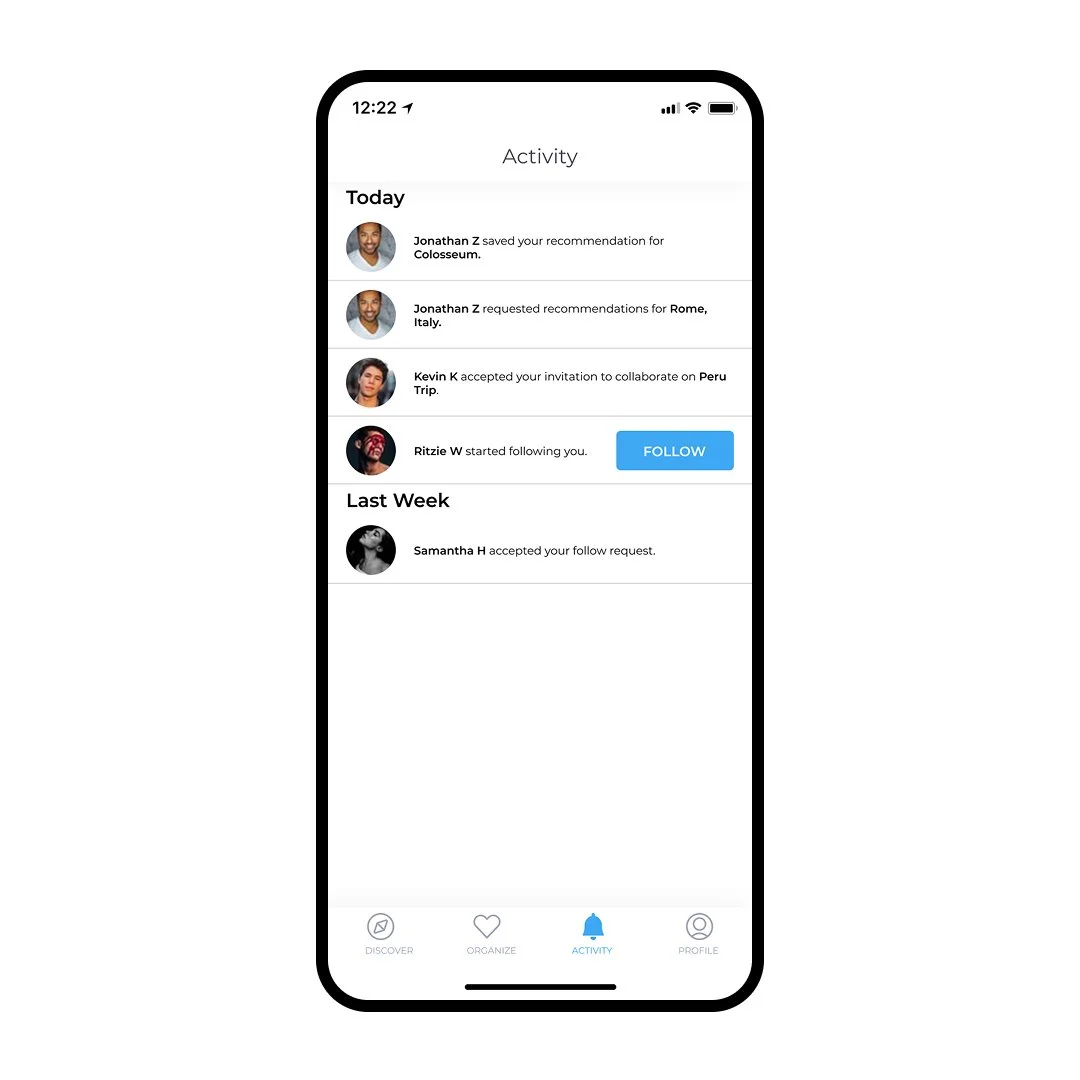
Activity
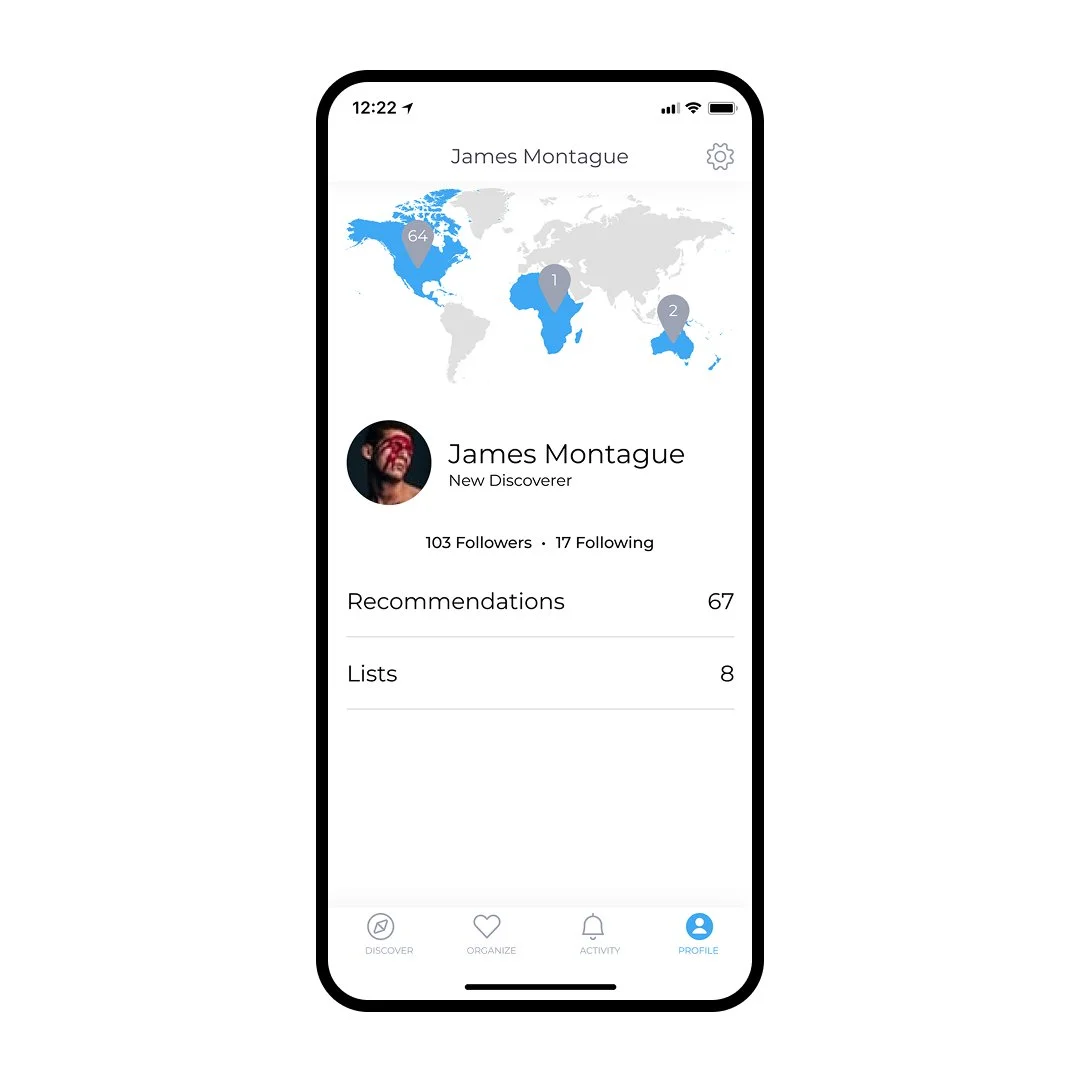
Profile
Conclusion
The MVP was a successful first iteration, demonstrating user interest and feasibility for Stoke’s concept. By focusing on core interactions, we were able to:
Validate that users preferred a social approach to trip planning over traditional itinerary tools.
Identify areas for future enhancements, such as AI-driven recommendations and deeper integration with travel services.
Provide concrete data for future product development, ensuring that Stoke evolved based on real user needs.